
01 / 05
Attendant Care
Enriching your life with care.
- Non-medical support
- Flexible schedules
- At home & in the community
Every client has unique needs and preferences, so our attendant care is built around you. We offer personalized assistance that fits seamlessly into daily life, with caregivers who are more than helpers. They are companions committed to making each day more enjoyable and less challenging.
Whether it’s sharing a morning routine or making sure your home feels comfortable and safe, our team brings warmth and a sense of normalcy to every visit.
What is attendant care?
Attendant care provides non-medical support for people who need help with daily activities because of age, disability or a chronic condition.
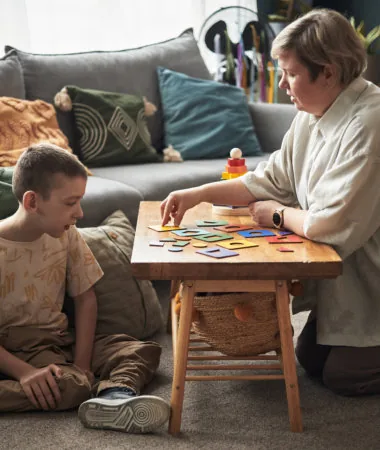
It is especially important for children and young people, who thrive with a stable, supportive presence at home and in their community.
What’s included
Personal hygiene assistance
Help with bathing, grooming, dressing and toileting, always respectful and gentle.
Meal preparation & feeding
Nutritious meal planning and preparation tailored to dietary needs and preferences.
Mobility & transfer support
Safe help with walking, repositioning, and transfers from bed to wheelchair or chair.
Companionship & supervision
Conversation, play and routine activities that prevent isolation and offer emotional support.
Light housekeeping
Tidying, laundry and disinfecting high-touch areas to keep the home clean and organized.
Medication reminders
Making sure medication is taken on time, according to the care plan.
Why families choose us
- 01
Trained, compassionate caregivers
Our staff complete rigorous training and background checks.
- 02
Individualized care plans
Every plan is tailored to your, or your child’s, needs and daily routines.
- 03
Family-focused support
We work closely with families so care stays collaborative, transparent and flexible.
- 04
Safe, reliable service
Caregivers follow strict safety protocols to keep home secure.
- 05
Emotional & social wellness
We enrich lives with social interaction and emotional well-being, not just physical care.
Attendant Care, explained
Attendant care is support for people who need help with daily living tasks such as bathing, dressing, eating and moving around. It’s often used by children with special needs, seniors and individuals with disabilities.
Eligibility typically depends on a physician’s assessment and state guidelines. We can walk you through the process of determining eligibility and accessing the right services.
Personal hygiene, mobility, meal prep, medication reminders and light housekeeping. Essentially anything that supports safe, daily living.
Yes. Families often have the option to select, or even recommend, someone they trust to provide care, subject to training and background checks.
Schedules are flexible and arranged around your family’s needs, from a few hours a day to full-time support.
Attendant care is non-medical and focuses on daily living assistance. Skilled nursing involves medical services provided by licensed professionals.
Caregivers typically use the client’s own supplies, like hygiene products or mobility aids, and we can help recommend additional resources if needed.