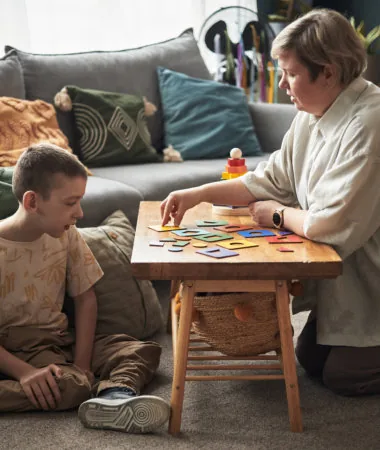
Every client has unique needs and preferences, so our attendant care is built around you. We offer personalized assistance that fits seamlessly into daily life, with caregivers who are more than helpers. They are companions committed to making each day more enjoyable and less challenging.
Whether it’s sharing a morning routine or making sure your home feels comfortable and safe, our team brings warmth and a sense of normalcy to every visit.
What is attendant care?
Attendant care provides non-medical support for people who need help with daily activities because of age, disability or a chronic condition.
It is especially important for children and young people, who thrive with a stable, supportive presence at home and in their community.
What’s included
a.
Personal hygiene assistance
Help with bathing, grooming, dressing and toileting, always respectful and gentle.
b.
Meal preparation & feeding
Nutritious meal planning and preparation tailored to dietary needs and preferences.
c.
Mobility & transfer support
Safe help with walking, repositioning, and transfers from bed to wheelchair or chair.
d.
Companionship & supervision
Conversation, play and routine activities that prevent isolation and offer emotional support.
e.
Light housekeeping
Tidying, laundry and disinfecting high-touch areas to keep the home clean and organized.
f.
Medication reminders
Making sure medication is taken on time, according to the care plan.
Why families choose us
01
Trained, compassionate caregivers
Our staff complete rigorous training and background checks.
02
Individualized care plans
Every plan is tailored to your, or your child’s, needs and daily routines.
03
Family-focused support
We work closely with families so care stays collaborative, transparent and flexible.
04
Safe, reliable service
Caregivers follow strict safety protocols to keep home secure.
05
Emotional & social wellness
We enrich lives with social interaction and emotional well-being, not just physical care.
Attendant Care, explained
Attendant care is support for people who need help with daily living tasks such as bathing, dressing, eating and moving around. It’s often used by children with special needs, seniors and individuals with disabilities.
Eligibility typically depends on a physician’s assessment and state guidelines. We can walk you through the process of determining eligibility and accessing the right services.
Personal hygiene, mobility, meal prep, medication reminders and light housekeeping. Essentially anything that supports safe, daily living.
Yes. Families often have the option to select, or even recommend, someone they trust to provide care, subject to training and background checks.
Schedules are flexible and arranged around your family’s needs, from a few hours a day to full-time support.
Attendant care is non-medical and focuses on daily living assistance. Skilled nursing involves medical services provided by licensed professionals.
Caregivers typically use the client’s own supplies, like hygiene products or mobility aids, and we can help recommend additional resources if needed.
02 / 05
Habilitation
Crafting brighter futures by building skills.
Children & adults
Strengths-based
Home & community
Our habilitation services encourage independence while nurturing personal growth. We focus on abilities, not limitations, working closely with each client to find and cultivate their strengths in a supportive, empowering environment.
It’s not just about completing tasks. It’s about building confidence, learning new skills and finding joy in everyday achievements, and we celebrate every step toward greater independence.
What is habilitation?
Habilitation means teaching and reinforcing life skills, communication, social interaction and adaptive behaviors. Rehabilitation restores abilities that were lost; habilitation develops new ones.
It is ideal for people who have never had certain functional abilities because of developmental or intellectual challenges. Through consistent practice and support, clients learn to navigate their environment, take part in their community and live more independently.
Skills we build together
a.
Personal care routines
Everyday self-care, practiced until it becomes second nature.
b.
Communication
Expressing needs, wants and feelings with growing confidence.
c.
Social interaction
Connecting with peers, family and the wider community.
d.
Time management
Structure, routines and planning that make the day more predictable.
e.
Emotional regulation
Tools for handling big feelings and new situations.
f.
Independent living
From cooking a meal to managing money, at home or out in the community.
Why families choose us
01
Individualized skill-building plans
Each program is tailored to the client’s needs, abilities and personal goals.
02
Experienced, supportive team
Our specialists bring compassion, patience and proven strategies to every session.
03
Family collaboration
Families are involved every step of the way for consistency at home and in the community.
04
Positive reinforcement
Strengths-based approaches build confidence and lasting improvement.
05
In-home & community-based
Services happen where clients feel most comfortable and engaged.
Our mission is to unlock potential and build brighter futures. We meet every individual where they are, and help them grow far beyond expectations.
Habilitation, explained
Habilitation helps people develop new skills they’ve never had, while rehabilitation focuses on regaining skills that were lost. Habilitation is commonly used for individuals with developmental delays or intellectual disabilities.
Habilitation is typically available to children and adults with developmental or intellectual disabilities. A formal assessment is usually required to determine eligibility.
Personal care routines, communication, social interaction, time management and emotional regulation, among others.
It depends on the individual’s needs and service plan. Some people need daily support; others benefit from a few sessions a week.
No. Habilitation is available for both children and adults who need help learning or improving everyday life skills.
At home, in the community or in structured settings: wherever the client is most comfortable and learning is most effective.
Goals are set together by the provider, the family and the individual, with a focus on practical skills and measurable outcomes.
03 / 05
Respite Care
Our promise is your peace.
Planned or emergency
Hours to days
Seamless continuity
We understand the dedication and love that goes into caregiving. Our respite care gives family caregivers the break they deserve, while their loved one continues to receive the utmost care. We step in with compassion and professionalism for a seamless continuation of care.
It’s more than a service. It’s a partnership built on trust, and the peace of mind of knowing your loved one is in capable hands.
Why respite matters
Caring for a loved one full-time can be overwhelming. Without breaks, caregivers are more likely to experience burnout, stress and health issues of their own.
Respite care offers a necessary pause: a chance to breathe, attend appointments, take a trip or simply relax, while your loved one’s needs are still fully met.
When families use respite
a.
Planned breaks
Take a vacation, attend a family event or simply enjoy a day off.
b.
Emergency relief
When something unexpected comes up, we can step in.
c.
Caregiver recovery
After surgery, illness or exhaustion, take the time you need to heal.
d.
Routine self-care
Regular time for hobbies, exercise or your own mental health.
e.
Family balance
Time with your spouse, children or friends, without interruption.
Who it’s for
Family caregivers supporting children with developmental needs
Parents of children with disabilities
Spouses caring for a loved one with a chronic condition
Grandparents raising grandchildren with complex needs
Anyone providing full-time, unpaid care for a loved one
Our respite care is built on compassion, trust and the belief that caregivers deserve care, too. Restore your energy and peace of mind, while your loved one stays safe, respected and well supported.
Respite Care, explained
Respite care is temporary caregiving that lets family caregivers take a break while their loved one continues to receive high-quality care.
Anyone providing full-time care to a child, adult or elderly loved one, especially if they need rest, time off or emergency coverage.
From a few hours to several days, depending on your needs and the care plan we set up together.
No. It’s commonly used for children and adults with developmental disabilities or chronic conditions when their usual caregiver is unavailable.
Yes. Many families plan regular respite in advance to support long-term well-being and prevent caregiver burnout.
Depending on the client’s needs: personal care, meals, medication reminders, companionship and supervision.
Coverage depends on your specific plan or support services such as Medicaid. We can help you explore eligibility and funding options.
04 / 05
Occupational Therapy
Enhancing life’s potential.
In-home sessions
Measurable goals
Caregiver coaching
Occupational therapy at Northbound Health is about enhancing quality of life through meaningful activity and expert support. Our therapists work with you to overcome challenges and reach personal goals, whether that’s regaining skills after an injury or mastering daily tasks.
Our approach looks at every facet of well-being, and we celebrate each milestone with you, big or small, on the way to greater independence.
What to expect
a.
Functional skill development
Gaining or regaining independence in grooming, dressing, eating and mobility.
b.
Fine & gross motor training
Strengthening the coordination needed for everyday tasks, school and play.
c.
Sensory integration therapy
Helping children with sensory processing differences navigate their environment.
d.
Cognitive & behavioral strategies
Building memory, attention and problem-solving for better decision-making.
e.
Adaptive equipment education
Recommending assistive devices, and training to use them safely at home or school.
f.
Parent & caregiver support
Practical strategies so families can support progress between sessions.
Who we help
Children with developmental delays or sensory processing issues
Individuals recovering from injury, surgery or stroke
Those managing autism, Down syndrome or cerebral palsy
Clients with motor coordination challenges or cognitive impairments
Anyone finding daily activities like dressing, feeding or bathing difficult
Occupational Therapy, explained
Occupational therapy helps people of all ages gain or regain the skills they need to perform everyday tasks and live more independently.
Children with developmental delays, adults recovering from injury, and individuals with physical or cognitive challenges.
Therapists assess needs, set goals, and guide clients through personalized activities that build strength, coordination and functional skills.
If your child struggles with fine motor skills, sensory sensitivity or daily tasks like brushing teeth or using utensils, an evaluation can help determine whether OT is beneficial.
Yes. We offer in-home sessions for clients who prefer therapy in a familiar, comfortable environment.
It depends on the client’s needs and goals, but most therapy plans recommend one to three sessions per week.
Physical therapy focuses on mobility and strength. Occupational therapy targets daily task performance, coordination and adaptive skills.
05 / 05
Speech & Hearing Therapy
Unlocking communication, unleashing potential.
One-on-one
Evidence-based
Multilingual support
Communication is at the heart of connecting with the world. Our speech and hearing therapy is about opening doors to new conversations and experiences, with skilled therapists who help clients find their voice and improve their hearing.
Speech and hearing challenges can feel complex, but you’re not alone. Our approach is rooted in compassion, in a supportive environment where every small step forward is celebrated.
How we support your goals
Our team of licensed speech-language pathologists and audiology specialists works hand in hand to create customized treatment plans, using evidence-based methods and collaborative care.
Speech therapy
a.
Articulation & pronunciation
Producing clear, understandable speech sounds.
b.
Language development
Building receptive and expressive language in children and adults.
c.
Stuttering & fluency
Supporting smoother, more natural speech patterns.
d.
Voice therapy
Treating vocal strain, hoarseness and pitch disorders.
e.
Feeding & swallowing
Addressing oral-motor issues with safe swallowing strategies.
Hearing therapy
a.
Auditory processing therapy
Improving how the brain processes sound.
b.
Hearing assessments & screenings
Thorough evaluations that identify hearing loss early.
c.
Assistive listening strategies
Techniques and technology for better hearing in any environment.
d.
Family & caregiver coaching
Helping those closest to the client keep progress going at home.
Why families choose us
01
Personalized one-on-one care
Every therapy plan is customized, with individual attention to maximize success.
02
Integrated team approach
We collaborate with families, educators and medical professionals.
03
Culturally sensitive services
Inclusive, multilingual support that honors every background.
04
Support across ages
From toddlers learning to speak to adults recovering from stroke.
05
Experienced, compassionate staff
Highly trained professionals dedicated to lasting impact.
Speech & Hearing Therapy, explained
It helps people improve their ability to communicate and understand spoken language, whether the cause is a developmental delay, hearing loss or a speech disorder.
Children with delayed speech, adults with communication difficulties, and anyone struggling with hearing or speech clarity.
Difficulty forming words, limited vocabulary for their age, trouble understanding directions, or stuttering.
Therapists use structured, play-based or goal-oriented exercises to build speech, language and communication skills.
Signs include not responding to sounds, frequently saying “what?”, delayed speech, or struggling in noisy environments.
Absolutely. Adults recovering from stroke, dealing with voice issues or experiencing hearing loss can benefit greatly.
It varies with individual needs, goals and progress. Some clients see improvement in a few months; others need longer-term therapy.
Compare by goal
Start with the kind of help you need.
Some services may sound similar at first. A daily routine, a skill, or a caregiver’s schedule can help you decide what to ask about.
Attendant Care helps with everyday routines. Habilitation helps people practice and develop skills they can use in daily life. Ask the team which option may fit your goals.
Northbound Health is based in Peoria, Arizona. Contact the team to check whether a specific service is available at your location.
Call Northbound Health at 623-295-0023 to discuss payment options and ask about your coverage or program.
Let’s point your care north.
Questions about care, eligibility or getting started? Our team in Peoria is here to listen, help and care.
Every client has unique needs and preferences, so our attendant care is built around you. We offer personalized assistance that fits seamlessly into daily life, with caregivers who are more than helpers. They are companions committed to making each day more enjoyable and less challenging.
Whether it’s sharing a morning routine or making sure your home feels comfortable and safe, our team brings warmth and a sense of normalcy to every visit.
What is attendant care?
Attendant care provides non-medical support for people who need help with daily activities because of age, disability or a chronic condition.
It is especially important for children and young people, who thrive with a stable, supportive presence at home and in their community.
What’s included
a.
Personal hygiene assistance
Help with bathing, grooming, dressing and toileting, always respectful and gentle.
b.
Meal preparation & feeding
Nutritious meal planning and preparation tailored to dietary needs and preferences.
c.
Mobility & transfer support
Safe help with walking, repositioning, and transfers from bed to wheelchair or chair.
d.
Companionship & supervision
Conversation, play and routine activities that prevent isolation and offer emotional support.
e.
Light housekeeping
Tidying, laundry and disinfecting high-touch areas to keep the home clean and organized.
f.
Medication reminders
Making sure medication is taken on time, according to the care plan.
Why families choose us
01
Trained, compassionate caregivers
Our staff complete rigorous training and background checks.
02
Individualized care plans
Every plan is tailored to your, or your child’s, needs and daily routines.
03
Family-focused support
We work closely with families so care stays collaborative, transparent and flexible.
04
Safe, reliable service
Caregivers follow strict safety protocols to keep home secure.
05
Emotional & social wellness
We enrich lives with social interaction and emotional well-being, not just physical care.
Attendant Care, explained
Attendant care is support for people who need help with daily living tasks such as bathing, dressing, eating and moving around. It’s often used by children with special needs, seniors and individuals with disabilities.
Eligibility typically depends on a physician’s assessment and state guidelines. We can walk you through the process of determining eligibility and accessing the right services.
Personal hygiene, mobility, meal prep, medication reminders and light housekeeping. Essentially anything that supports safe, daily living.
Yes. Families often have the option to select, or even recommend, someone they trust to provide care, subject to training and background checks.
Schedules are flexible and arranged around your family’s needs, from a few hours a day to full-time support.
Attendant care is non-medical and focuses on daily living assistance. Skilled nursing involves medical services provided by licensed professionals.
Caregivers typically use the client’s own supplies, like hygiene products or mobility aids, and we can help recommend additional resources if needed.
02 / 05
Habilitation
Crafting brighter futures by building skills.
Children & adults
Strengths-based
Home & community
Our habilitation services encourage independence while nurturing personal growth. We focus on abilities, not limitations, working closely with each client to find and cultivate their strengths in a supportive, empowering environment.
It’s not just about completing tasks. It’s about building confidence, learning new skills and finding joy in everyday achievements, and we celebrate every step toward greater independence.
What is habilitation?
Habilitation means teaching and reinforcing life skills, communication, social interaction and adaptive behaviors. Rehabilitation restores abilities that were lost; habilitation develops new ones.
It is ideal for people who have never had certain functional abilities because of developmental or intellectual challenges. Through consistent practice and support, clients learn to navigate their environment, take part in their community and live more independently.
Skills we build together
a.
Personal care routines
Everyday self-care, practiced until it becomes second nature.
b.
Communication
Expressing needs, wants and feelings with growing confidence.
c.
Social interaction
Connecting with peers, family and the wider community.
d.
Time management
Structure, routines and planning that make the day more predictable.
e.
Emotional regulation
Tools for handling big feelings and new situations.
f.
Independent living
From cooking a meal to managing money, at home or out in the community.
Why families choose us
01
Individualized skill-building plans
Each program is tailored to the client’s needs, abilities and personal goals.
02
Experienced, supportive team
Our specialists bring compassion, patience and proven strategies to every session.
03
Family collaboration
Families are involved every step of the way for consistency at home and in the community.
04
Positive reinforcement
Strengths-based approaches build confidence and lasting improvement.
05
In-home & community-based
Services happen where clients feel most comfortable and engaged.
Our mission is to unlock potential and build brighter futures. We meet every individual where they are, and help them grow far beyond expectations.
Habilitation, explained
Habilitation helps people develop new skills they’ve never had, while rehabilitation focuses on regaining skills that were lost. Habilitation is commonly used for individuals with developmental delays or intellectual disabilities.
Habilitation is typically available to children and adults with developmental or intellectual disabilities. A formal assessment is usually required to determine eligibility.
Personal care routines, communication, social interaction, time management and emotional regulation, among others.
It depends on the individual’s needs and service plan. Some people need daily support; others benefit from a few sessions a week.
No. Habilitation is available for both children and adults who need help learning or improving everyday life skills.
At home, in the community or in structured settings: wherever the client is most comfortable and learning is most effective.
Goals are set together by the provider, the family and the individual, with a focus on practical skills and measurable outcomes.
03 / 05
Respite Care
Our promise is your peace.
Planned or emergency
Hours to days
Seamless continuity
We understand the dedication and love that goes into caregiving. Our respite care gives family caregivers the break they deserve, while their loved one continues to receive the utmost care. We step in with compassion and professionalism for a seamless continuation of care.
It’s more than a service. It’s a partnership built on trust, and the peace of mind of knowing your loved one is in capable hands.
Why respite matters
Caring for a loved one full-time can be overwhelming. Without breaks, caregivers are more likely to experience burnout, stress and health issues of their own.
Respite care offers a necessary pause: a chance to breathe, attend appointments, take a trip or simply relax, while your loved one’s needs are still fully met.
When families use respite
a.
Planned breaks
Take a vacation, attend a family event or simply enjoy a day off.
b.
Emergency relief
When something unexpected comes up, we can step in.
c.
Caregiver recovery
After surgery, illness or exhaustion, take the time you need to heal.
d.
Routine self-care
Regular time for hobbies, exercise or your own mental health.
e.
Family balance
Time with your spouse, children or friends, without interruption.
Who it’s for
Family caregivers supporting children with developmental needs
Parents of children with disabilities
Spouses caring for a loved one with a chronic condition
Grandparents raising grandchildren with complex needs
Anyone providing full-time, unpaid care for a loved one
Our respite care is built on compassion, trust and the belief that caregivers deserve care, too. Restore your energy and peace of mind, while your loved one stays safe, respected and well supported.
Respite Care, explained
Respite care is temporary caregiving that lets family caregivers take a break while their loved one continues to receive high-quality care.
Anyone providing full-time care to a child, adult or elderly loved one, especially if they need rest, time off or emergency coverage.
From a few hours to several days, depending on your needs and the care plan we set up together.
No. It’s commonly used for children and adults with developmental disabilities or chronic conditions when their usual caregiver is unavailable.
Yes. Many families plan regular respite in advance to support long-term well-being and prevent caregiver burnout.
Depending on the client’s needs: personal care, meals, medication reminders, companionship and supervision.
Coverage depends on your specific plan or support services such as Medicaid. We can help you explore eligibility and funding options.
04 / 05
Occupational Therapy
Enhancing life’s potential.
In-home sessions
Measurable goals
Caregiver coaching
Occupational therapy at Northbound Health is about enhancing quality of life through meaningful activity and expert support. Our therapists work with you to overcome challenges and reach personal goals, whether that’s regaining skills after an injury or mastering daily tasks.
Our approach looks at every facet of well-being, and we celebrate each milestone with you, big or small, on the way to greater independence.
What to expect
a.
Functional skill development
Gaining or regaining independence in grooming, dressing, eating and mobility.
b.
Fine & gross motor training
Strengthening the coordination needed for everyday tasks, school and play.
c.
Sensory integration therapy
Helping children with sensory processing differences navigate their environment.
d.
Cognitive & behavioral strategies
Building memory, attention and problem-solving for better decision-making.
e.
Adaptive equipment education
Recommending assistive devices, and training to use them safely at home or school.
f.
Parent & caregiver support
Practical strategies so families can support progress between sessions.
Who we help
Children with developmental delays or sensory processing issues
Individuals recovering from injury, surgery or stroke
Those managing autism, Down syndrome or cerebral palsy
Clients with motor coordination challenges or cognitive impairments
Anyone finding daily activities like dressing, feeding or bathing difficult
Occupational Therapy, explained
Occupational therapy helps people of all ages gain or regain the skills they need to perform everyday tasks and live more independently.
Children with developmental delays, adults recovering from injury, and individuals with physical or cognitive challenges.
Therapists assess needs, set goals, and guide clients through personalized activities that build strength, coordination and functional skills.
If your child struggles with fine motor skills, sensory sensitivity or daily tasks like brushing teeth or using utensils, an evaluation can help determine whether OT is beneficial.
Yes. We offer in-home sessions for clients who prefer therapy in a familiar, comfortable environment.
It depends on the client’s needs and goals, but most therapy plans recommend one to three sessions per week.
Physical therapy focuses on mobility and strength. Occupational therapy targets daily task performance, coordination and adaptive skills.
05 / 05
Speech & Hearing Therapy
Unlocking communication, unleashing potential.
One-on-one
Evidence-based
Multilingual support
Communication is at the heart of connecting with the world. Our speech and hearing therapy is about opening doors to new conversations and experiences, with skilled therapists who help clients find their voice and improve their hearing.
Speech and hearing challenges can feel complex, but you’re not alone. Our approach is rooted in compassion, in a supportive environment where every small step forward is celebrated.
How we support your goals
Our team of licensed speech-language pathologists and audiology specialists works hand in hand to create customized treatment plans, using evidence-based methods and collaborative care.
Speech therapy
a.
Articulation & pronunciation
Producing clear, understandable speech sounds.
b.
Language development
Building receptive and expressive language in children and adults.
c.
Stuttering & fluency
Supporting smoother, more natural speech patterns.
d.
Voice therapy
Treating vocal strain, hoarseness and pitch disorders.
e.
Feeding & swallowing
Addressing oral-motor issues with safe swallowing strategies.
Hearing therapy
a.
Auditory processing therapy
Improving how the brain processes sound.
b.
Hearing assessments & screenings
Thorough evaluations that identify hearing loss early.
c.
Assistive listening strategies
Techniques and technology for better hearing in any environment.
d.
Family & caregiver coaching
Helping those closest to the client keep progress going at home.
Why families choose us
01
Personalized one-on-one care
Every therapy plan is customized, with individual attention to maximize success.
02
Integrated team approach
We collaborate with families, educators and medical professionals.
03
Culturally sensitive services
Inclusive, multilingual support that honors every background.
04
Support across ages
From toddlers learning to speak to adults recovering from stroke.
05
Experienced, compassionate staff
Highly trained professionals dedicated to lasting impact.
Speech & Hearing Therapy, explained
It helps people improve their ability to communicate and understand spoken language, whether the cause is a developmental delay, hearing loss or a speech disorder.
Children with delayed speech, adults with communication difficulties, and anyone struggling with hearing or speech clarity.
Difficulty forming words, limited vocabulary for their age, trouble understanding directions, or stuttering.
Therapists use structured, play-based or goal-oriented exercises to build speech, language and communication skills.
Signs include not responding to sounds, frequently saying “what?”, delayed speech, or struggling in noisy environments.
Absolutely. Adults recovering from stroke, dealing with voice issues or experiencing hearing loss can benefit greatly.
It varies with individual needs, goals and progress. Some clients see improvement in a few months; others need longer-term therapy.
Born in Youngstown, Ohio, and the eldest of his siblings, Rich earned a Bachelor of Social Sciences from North Carolina Central University and later an MBA in Healthcare Administration from the University of Phoenix.
His early career was spent in healthcare, including roles at Duke University Health System and UNC Health. His passion for sports, community and healthcare runs through everything Northbound Health does.
Originally from Phoenix, Ana has a deep-rooted passion for helping children with developmental disabilities. She has served as a Peer and Family Support Specialist, offering guidance, empathy and real-life insight to families on similar journeys.
As the parent of a child with autism, her own experience fuels her commitment to advocacy, education and community connection.
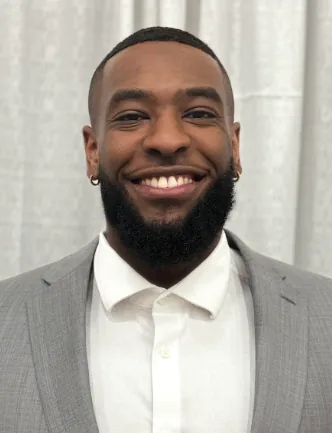
A University of Washington graduate and former Huskies football player from Lacey, Washington, Jarryn started supporting people with developmental disabilities at Special Olympics camps in high school, and later sponsored and led the 2019 Special Olympics event at the Rose Bowl.
He provided autism support at a middle school through COVID, and now brings that same empathy and leadership to helping individuals and families thrive.